RV Water Heater Anode Rod: When to Check and Replace It
Steel-tank RV water heaters have an anode rod that corrodes so the tank doesn't. Suburban recommends a new one every year. Here is how to check it, replace it and refill the tank safely.
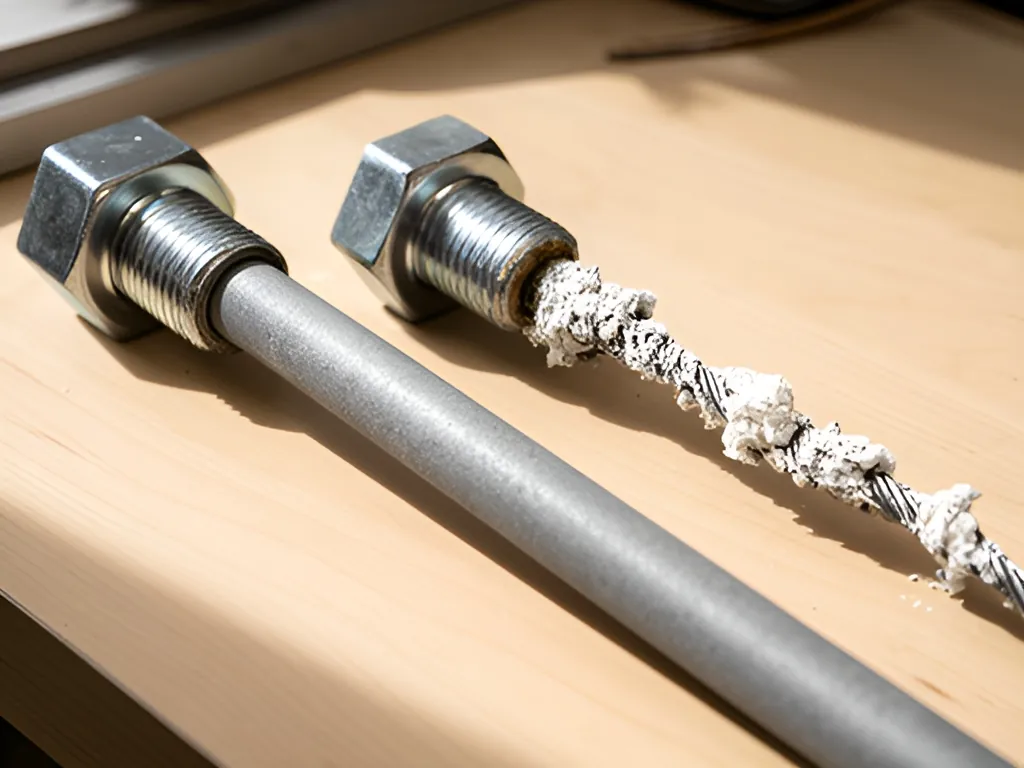
What the anode rod does
Suburban's manual: the steel tank is protected by a magnesium or aluminum anode that absorbs the corrosive action of hot water. The rod wears away instead of the tank. Suburban recommends replacing it every year, more often if your water is high in iron or sulfate, and right away if it is mostly eaten away.
Running the heater without proper anode protection shortens the tank's life and, Suburban says, voids the tank warranty. Suburban also warns not to replace the anode with an add-on electric heating element or any other non-Suburban accessory part.
Does yours have one? Suburban heaters (steel tank) do. Atwood heaters (aluminum tank) don't take one, and on-demand (tankless) heaters have no tank. The brand and model are on the label behind the outside door.
How to check or replace it
The anode rod is also the tank's drain plug: removing it drains the heater. Steps from Suburban's draining instructions.
- Turn the heater off and let it cool
Turn off the electric element (switch or breaker) and the gas. Suburban sets the water to about 130°F, and water over 125°F can burn instantly — wait until the tank is cool.
- Take the pressure off
Turn off the water pump and disconnect city water. Open a hot and a cold faucet inside the RV.
- Remove the rod
Unscrew the anode at the bottom of the tank with a socket wrench. The tank drains through the opening.
- Look at it
If the rod is mostly eaten away — down to the thin wire core — replace it. Even if it looks fair, Suburban recommends a new one every year.
- Seal the threads
Wrap the threads of the new rod with thread sealant approved for drinking water, such as Teflon tape, so it doesn't leak. Suburban says the sealant won't stop the anode from protecting the tank.
- Refill before you turn it on
Fill the tank and run a hot faucet until water flows without air. Suburban: never turn on the gas or the electric element with an empty tank — even a short run without water burns out the element.
Call a technician if the rod won't come out, the threads in the tank are damaged, or water leaks from the tank itself — a leaking tank usually means a new heater. See RV water heater repair.
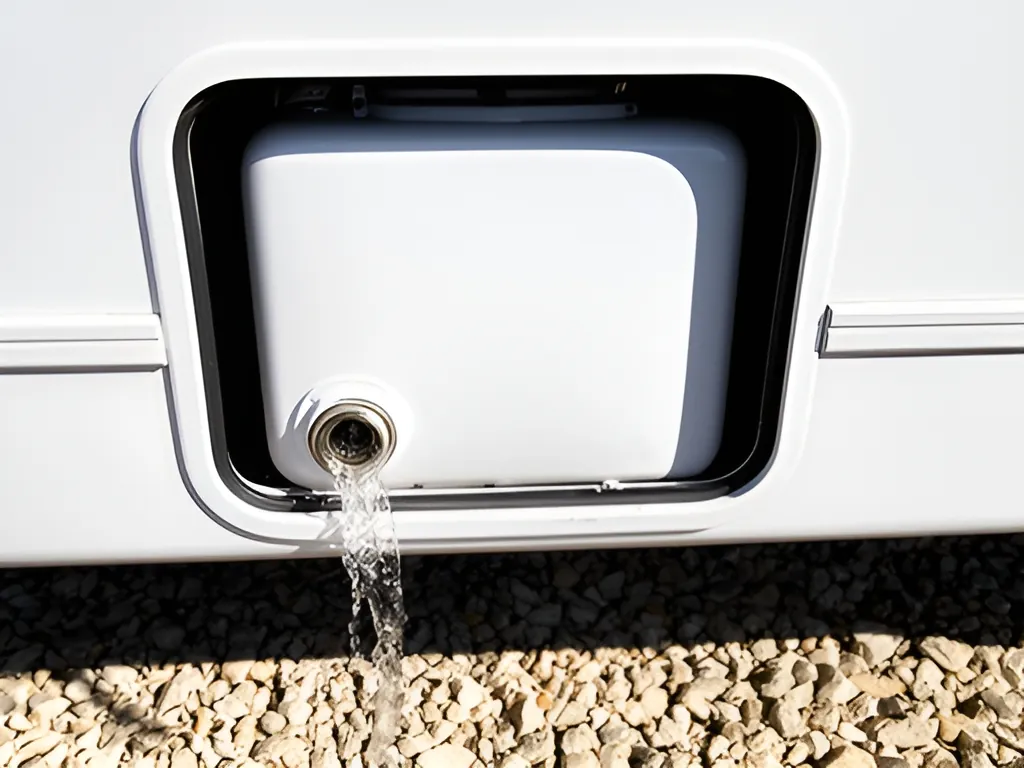
Rotten egg smell from the hot water
Suburban calls it “sulphur water”: many water supplies contain enough sulphur to make the smell. It is not harmful, only unpleasant. Suburban's fix:
- Add about 6 ounces of plain household bleach for each 10 gallons in the fresh water tank.
- Run the water through the system, opening each faucet one at a time until you smell chlorine.
- Let the RV sit for a few days.
- Flush the system with fresh water until the chlorine is gone — it may take several flushes.
If the smell comes back, flush again and replace the anode rod. A filter that removes chlorine and prevents sulphur water is another option, Suburban says.
Storage, winter and the anode
To make the anode last longer, Suburban says to drain the tank whenever the RV is not being used. Before winter storage, close off the water heater with the bypass valves and drain it — antifreeze is very corrosive to the anode rod. If your RV has no bypass and you winterize with antifreeze, Suburban says to take the anode out, store it for the winter and put a 3/4-inch drain plug in its place. More in how to get your RV ready for a freeze in DFW.
After two weeks or more without use, Suburban warns that hydrogen gas can build up in the tank: open the hot faucet at the kitchen sink for several minutes before you use the hot water system.
Anode rod questions
How often should I replace the anode rod in my RV water heater?
Suburban recommends every year, more often if your water has a lot of iron or sulfate, and right away if the rod is mostly eaten away.
Does every RV water heater have an anode rod?
No. Suburban heaters have a steel tank and an anode rod. Atwood heaters have an aluminum tank and don't take one. On-demand (tankless) heaters have no tank.
What happens if I don't replace the anode rod?
Once the rod is used up, the hot water starts to corrode the steel tank from the inside. Suburban says running without proper anode protection shortens the tank's life and voids the tank warranty.
Why does my RV hot water smell like rotten eggs?
Sulphur in the water — Suburban says it is not harmful. Disinfect the system with household bleach, flush it, and replace the anode rod if the smell returns.
Can I leave the anode out over the winter?
Only if you winterize with antifreeze and have no bypass: Suburban says to remove the anode, store it and use a 3/4-inch drain plug. Put the anode back before you use the heater again.
Request a technician
Tell us what's wrong and where your RV is. We send your request to independent mobile RV technicians who serve that part of DFW.